
Blog categorized as Anatomy and Physiology and Muscles
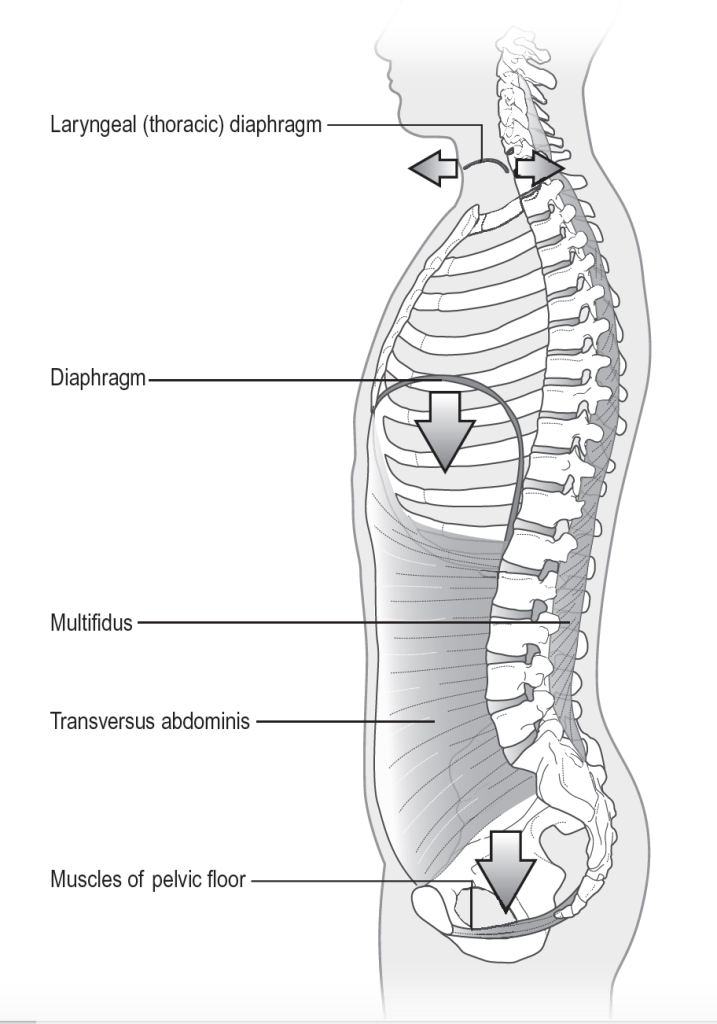
Breathing is a fundamental process that sustains life, but its significance extends beyond mere respiration. In the realm of pelvic physiotherapy, breathing techniques play a vital role in optimizing pelvic floor function and promoting overall pelvic health. This article delves into the intricate co...
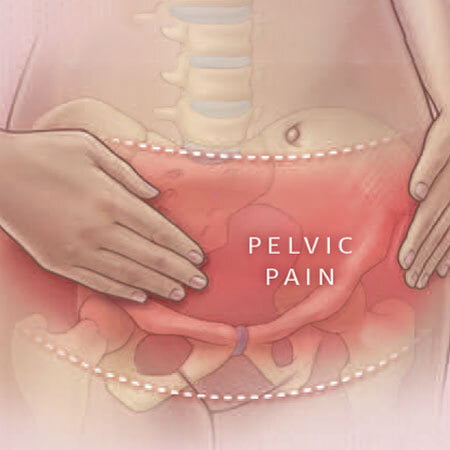
Pain that is nagging or debilitating and not going away? Have you tried just about everything (physio, massage, chiro, acupuncture) and it’s still not reducing or going away? The brain might be involved. By NO means are we saying the pain is in your head.
Research indic...
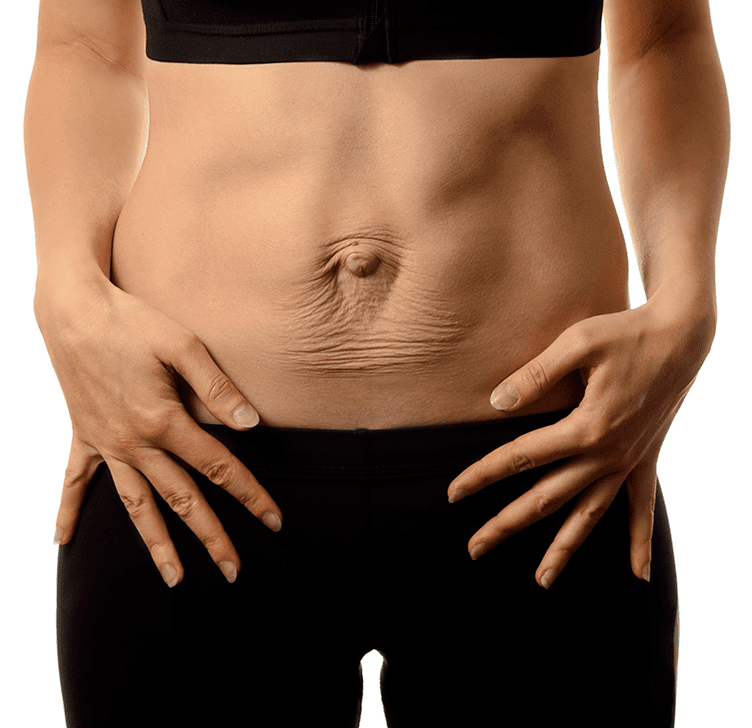
Known medically as diastasis recti, abdominal separation is a condition that affects men and women of all ages. What is abdominal separation? The abdominal muscles have a slip of connective tissue/glue joining them together and we can see this most often in persons with a six-pack when they have a l...
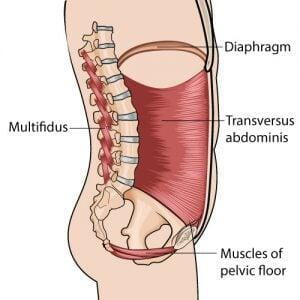
These days it is quite common for everyone to know that the core is important and we should be strengthening it to help with back pain, hip pain and to keep fit as we get older. However, what many people do not know is what the core actually consists of!
Did you know that your core muscles are your d...

Seven years of working as a Physiotherapist has taught me something key: always put the patient first. Simple, yet we sometimes forget that the patient is the one that guides treatment and the more we can listen to and tailor treatment to our patients, the better the results will be.
I have been pas...
The pelvic floor is a group of muscles, tendons, and ligaments deep within the body that helps with bladder and bowel control, supports the organs, and stabilizes the hips, low back and abdomen. As the body changes du...